Table Of Content

They use both their mandibles and their legs for holding prey. This way they can deal with several small insects at the same time. To capture prey they either jump onto it or use their legs in a technique described as "lassoing". Using their legs to beat prey has also been described.[8] Like other centipedes they can stridulate. Although they can look disgusting to some, they don’t harm humans.
What Can be Done to Remove House Centipedes?
Giant Desert Centipede enters writer's home - Desert Sun
Giant Desert Centipede enters writer's home.
Posted: Tue, 11 Aug 2015 07:00:00 GMT [source]
House centipedes are attracted to things that help them hide. Clearing any debris that may become damp (such as leaves, dirt, grass clippings, or weeds) from around the perimeter of your home may help deter them from entering. Hi PHil, We do not recommend ridding your home of House Centipedes. They are harmless predators that will eat more destructive and harmful arthropods in your home. From appearance to where you might find them, here's everything you need to know about centipedes...
How to Get Rid of House Centipedes
At-home treatments can be effective at reducing pain and symptoms. If your symptoms worsen, you have signs of infection, or an allergic reaction, seek medical help. House centipedes originated in the Mediterranean but have spread to be just about anywhere that is warm and humid. They tend to find their way into homes through small cracks that could let other insects in as well and will stay in a home as long as they have a food source. They enter homes to look for other types of insects that can typically be found in homes.
Where Do House Centipedes Live?

We are no longer supporting IE (Internet Explorer) as we strive to provide site experiences for browsers that support new web standards and security practices. Check the profile of House Centipede and learn more interesting information about them. She is also a Master Gardener with over 40+ years of experience and 20+ years of writing experience. Mary is also a member of The Spruce Gardening and Plant Care Review Board. Peg Aloi is a gardening expert and former garden designer with 13 years experience working as a professional gardener in the Boston and upstate New York areas.
Newly hatched larvae (which are rarely seen) have four pair of legs. During the next five larval molts, the centipedes will have 5, 7, 9, 11 and 13 pairs of legs (Figure 2). On the next molt the centipede is considered an adolescent and will have 15 legs during each of the next four molts, after which it becomes an adult. Symptoms of a giant desert centipede bite include intense pain, inflammation, redness, and swelling. Centipedes rarely bite humans, but when they do, it is usually because they feel threatened.
House centipedes aren’t dangerous, even though they can bite. With that being said, you should always exercise some element of caution when picking them up. Spiders, wasps, and other insects with defensive tools can easily take the centipede out. They may sneak up on the bug from behind so that the target has fewer opportunities to fight back. That said, the vast majority of people will not experience anything more than some mild discomfort and slight swelling. To avoid infection, use a topical antibiotic and keep the site clean and covered.
These forcipules are used to inject venom into their prey, which mainly consists of insects and other small arthropods. House centipedes are primarily nocturnal predators, hunting for their prey in the dark. Their speed and agility, aided by their many legs, allow them to catch fast-moving insects effectively.
Are there any natural repellents that can deter house centipedes from entering my home?
Determine what other types of arthropods, in your house, are providing a meal for the centipedes by distributing 'sticky insect traps', also called monitors, around the house. These monitors (and the service for identifying the specimens) can be obtained through a pest control company. House centipedes possess a set of specialized front legs that are modified into venomous fangs, known as forcipules.
How To Get Rid Of Spiders In Your Garage & Keep Them Out
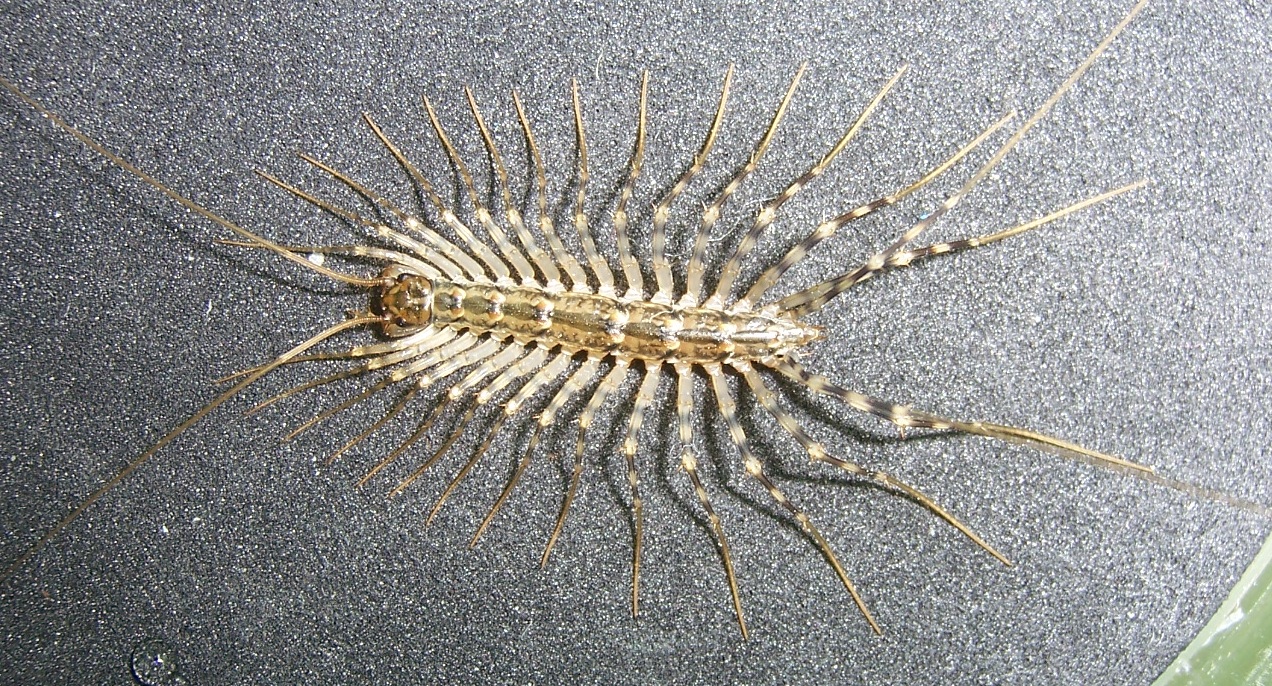
Empty the vacuum cup or vacuum bag into a sealable plastic bag and dispose of it in an outdoor trash can. The house centipede is an arthropod, a genus that includes insects as well as centipedes, millipedes, arachnids (spiders) and crustaceans (such as lobsters). The house centipede originated in the Mediterranean but now can be found across Europe, Asia, and North America. Centipede bites can be very painful, especially when the centipedes are large in size. While their bites are typically not dangerous or fatal, they can hurt as centipedes will use their venom as a defence mechanism.
Centipede Animal Facts - AZ Animals
Centipede Animal Facts.
Posted: Wed, 08 Feb 2023 08:00:00 GMT [source]
Centipedes bite in order to defend themselves and to capture their prey. House centipedes are native to the Mediterranean region but were accidentally introduced into the southern United States. They were first recorded in Pennsylvania in 1849 and are now widespread throughout the country and the world.
Centipedes are found throughout the United States and the world. They are typically found in areas of high moisture, such as in rotting logs, under stones, in trash or piles of leaves/grass. When they invade homes, centipedes are most commonly found in damp basements, crawlspaces, bathrooms, or potted plants.


No comments:
Post a Comment